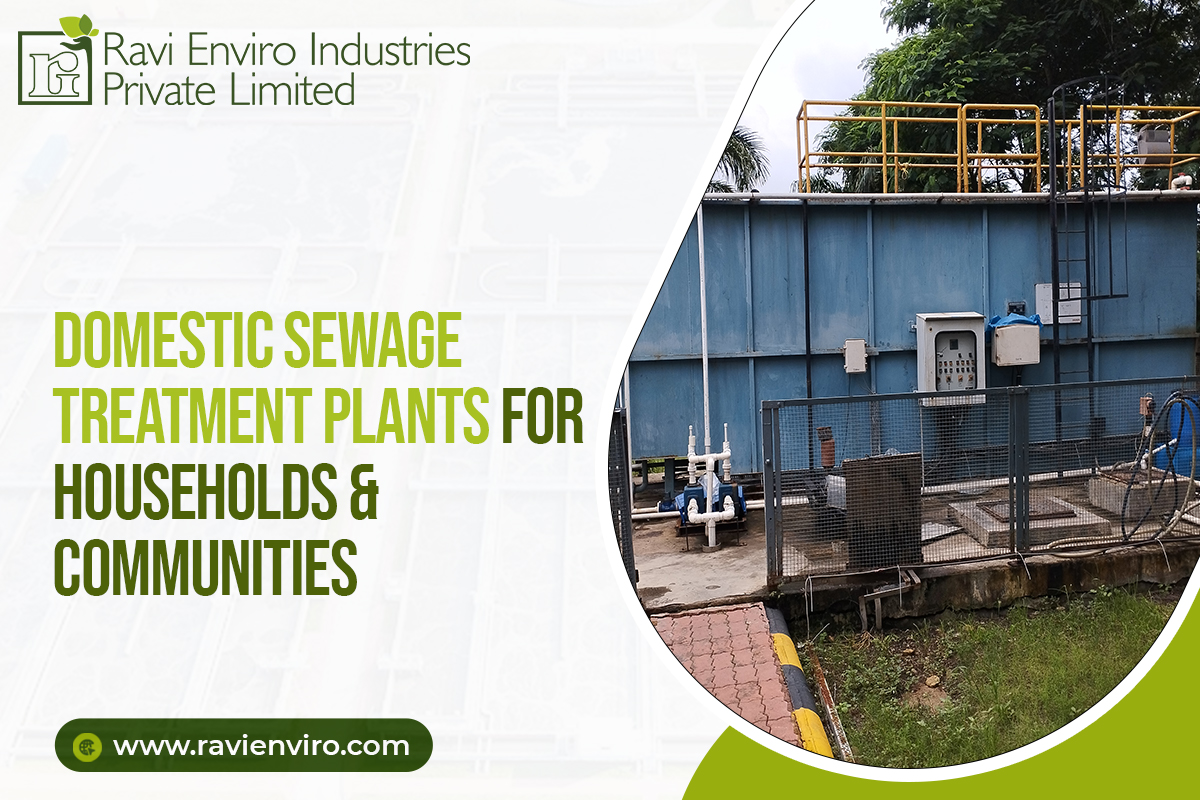
Fast-paced urbanization and an ever-growing population have made treating domestic sewage a major issue. Domestic sewage is basically wastewater from sinks, toilets, appliances, kitchens and other waste generated from households. This wastewater carries contaminants and pollutants ranging from soaps, detergents, food particles, bacteria and other toxins. This sewage wastewater needs to be treated before discharge to prevent environmental degradation and safeguard public health. Domestic sewage treatment plants (STPs) have become prominent in urban and suburban areas to treat sewage wastewater before discharging it into the environment. In this blog, we understand the role of domestic sewage treatment plants in managing sewage wastewater and the disposal approaches.
What is Domestic Sewage?
Domestic sewage is wastewater produced from household activities. This includes kitchen appliances, sinks, bathroom fixtures, laundry equipment and other domestic water-using activities. This wastewater comprises:
➤ Organic Matter: Human waste, food particles & other biodegradable waste.
➤ Pathogens: Bacteria & microorganisms posing health & safety risks.
➤ Chemicals: Detergent, shampoo, soap, & other cleaning products.
➤ Nutrients: Phosphorus and nitrogen from cleaning products & human waste.
The Importance of Domestic Sewage Treatment Plants for Households & Communities
In residential or smaller communities that are not connected to a centralized sewer system, domestic STPs play an important role. At Ravi Enviro Industries Pvt.Ltd, as one of the top domestic STP plant manufacturers in India, designs and engineers modern STPs combining traditional methods with innovative wastewater technology to provide efficient and sustainable treatment solutions for communities, protecting the environment and public health.
Benefits of Domestic Sewage Treatment Plants for Households & Communities in India
#1 Protecting Public Health: One of the primary benefits of sewage treatment plants is protecting public health. Household sewage comprises pathogens, organic waste, chemicals and other contaminants. If released untreated, it can lead to public health risks, including waterborne diseases. This is particularly crucial in densely populated semi-urban areas that rely on rivers and lakes for drinking water, agriculture and recreational activities.
#2 Environmental Protection: Poorly treated domestic wastewater poses a significant environmental risk & ecological damage. Nutrients like phosphorus and nitrogen can reduce oxygen levels and cause algal blooms. Domestic sewage treatment systems adequately treat wastewater before being released into natural sources, protecting local biodiversity and the aquatic ecosystem.
#3 Decreases Groundwater Pollution: Sophisticated sewage treatment plants employ innovative water treatment technologies for treatment. Technologies such as the Moving Bed Biofilm Reactor (MBBR), Sequential Batch Reactor (SBR), FBBR (Fixed Bed Biofilm Reactor), and Upflow Anaerobic Sludge Blanket (UASB) remove pollutants and bacteria. This helps to protect rivers and lakes, preventing eutrophication of water sources.
#4 Enhancing Overall Quality of Life: Sewage treatment systems enhance the overall quality of communities. These innovative systems ensure residents live in a clean, safe and hygienic environment. It also helps in maintaining air and water quality for families and individuals.
REIPL’s Advanced Sewage Treatment Plants for Housing Societies
REIPL is one of the leading sewage treatment plant manufacturers in India with advanced STPs designed to meet the dynamic needs of the country’s water treatment needs. With a focus on sustainability and efficiency, we provide custom treatment solutions incorporated with the latest technologies & mechanisms to treat wastewater coming from different households. Contact us to learn more about our comprehensive wastewater treatment solutions.
Frequently Asked Questions About Domestic Sewage Treatment Plants (FAQs)
#1 How is a domestic STP different from an industrial sewage treatment plant?
A domestic sewage treatment plant treats water discharged from homes after activities like cooking, bathing, washing & other activities. On the other hand, industrial STPs manage wastewater from industrial activities.
#2 What are the typical methods used in domestic wastewater treatment?
The methods used are septic systems, activated sludge process and membrane bioreactors.
#3 What are the main stages of domestic STP?
The treatment stage includes primary treatment, secondary treatment and tertiary treatment.
#4 How much does a domestic sewage treatment plant cost?
It depends on the size of the plant, treatment technology, installation complexity and operational & maintenance costs. For quotes, call us +91 76988 07771 or reach us at info@ravienviro.com.