
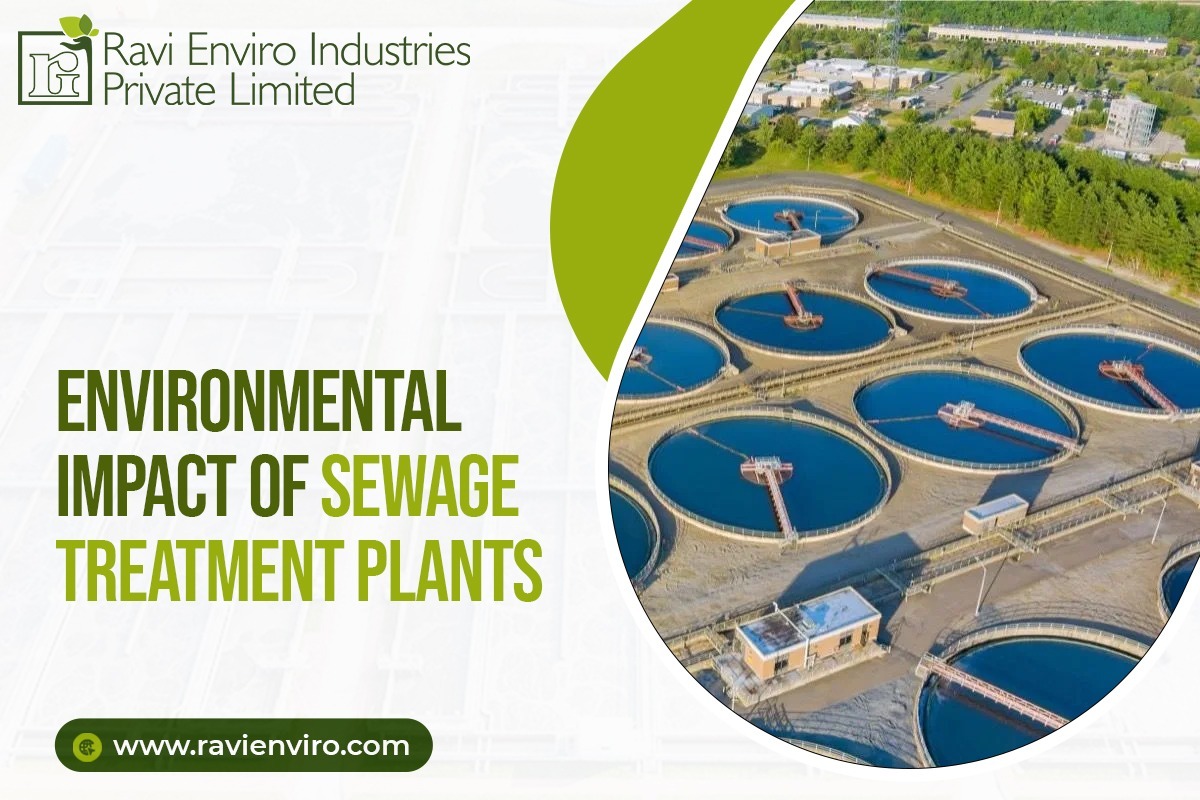
Have you wondered what are the environmental impact of sewage treatment plants? What happens to the sewage water that goes down the sink in homes, industries & commercial establishments? Sewage treatment plants (STP) are specifically designed to minimize the impact on wastewater and the environment. It is an important process that removes pollutants and contaminants from water before it is released into the environment. In this blog, we understand the environmental impact of sewage treatment plants and their role in protecting the ecosystem.
How Sewage Treatment Plants Protect the Ecosystem
Sewage poses a major threat to the environment and society as a whole. Sewage treatment plants protect the environment by treating wastewater before discharging it back into the environment. STPs use a combination of primary, secondary and tertiary processes to remove pollutants like ammonia, nitrates, phosphates and other contaminants that can disrupt ecosystems. In this, STP plant manufacturers in India play an important role in protecting the environment and driving sustainability. Ravi Enviro Industries Pvt.Ltd is a firm believer in treating precious water sources, helping industries address the environmental impact of processes and safe reuse of treated water.
Also Check: Role of Aeration in STP Performance
Environmental Impact of Sewage Treatment Plants
#1 Improving Water Quality
The primary function of sewage treatment plants is to treat wastewater. Ammonia, nitrates and phosphates can disrupt the ecosystem. STPs ensure proper removal of pollutants and contaminants before releasing the water back into the environment. This helps maintain the water quality in water bodies.
#2 Protecting Public Health
If untreated water gets into drinking water sources, it could adversely impact public health and the environment as a whole. By treating the sewage water, the STP reduce the risk of waterborne diseases and safeguards public health and marine life.
#3 Protecting Public Health
If untreated water gets into drinking water sources, it could adversely impact public health and the environment as a whole. By treating the sewage water, the STP reduce the risk of waterborne diseases and safeguards public health and marine life.
#4 Protecting Aquatic Life
Wastewater contains a high volume of nutrients like phosphorus. When these nutrients are discharged into the water bodies, it leads to eutrophication, resulting in oxygen depletion and harming aquatic life. The sewage treatment plants remove excess nutrients like phosphorus and nitrogen from wastewater. STP employs advanced processes like biological nutrient removal (BNR), which converts nutrients into harmless gases.
#5 Sludge Management
The wastewater process generates sludge consisting of organic and inorganic matter. Sophisticated STPs adapt an innovative approach, such as anaerobic digestion and Dregz dryer to effectively manage and reduce the volume of sludge. These processes convert sludge into biogas or fertilizer and reduce environmental impact.
Conclusion
The increasing population and urbanization require advanced sewage treatment plants to cater to the growing demands. STP is a sustainable approach to mitigating the environmental impact of urbanization and commercial activities. Wastewater treatment with STP helps to conserve water resources, reduce the strain on the ecosystem and promote sustainability. So, if you need assistance to set up a sewage treatment plant for your facility, get in touch with REIPL- the most trusted water treatment plant in India. We look forward to helping you protect the environment and contribute to sustainability.
Also Read: Role of Sewage Treatment Plants in Preventing Waterborne Diseases