- Jun 12, 2025
- Tejas
- Effluent Treatment, ETP Plant
- 0 Comments
Soil and water contamination are a grave matter of concern, threatening the environment and public health alike. Wastewater generated by various industries is a major contributor to water and soil pollution. Industrial waste, untreated effluent wastewater and excessive use of chemicals are common sources of long-term harm to the environment. Effluent treatment plants (ETPs) play an important role in managing wastewater before it is discharged into the environment. This wastewater contains harmful substances like toxic chemicals, heavy metals, suspended particles, dyes & pigments and organic compounds, which are categorised as hazardous waste.
The Environmental Impact of Industrial Effluent Waste
- Water Pollution: Discharge of partially or untreated effluent waste contaminates the freshwater resources, impacting marine life as well as public health.
- Soil Contamination: Seepage of wastewater into the soil can lead to groundwater contamination and pose a major threat to agriculture and water resources.
- Air Pollution: Chemical effluent waste can release toxic fumes and odours, leading to air pollution.
Understanding the Role of ETPs in Preventing Soil and Water Contamination
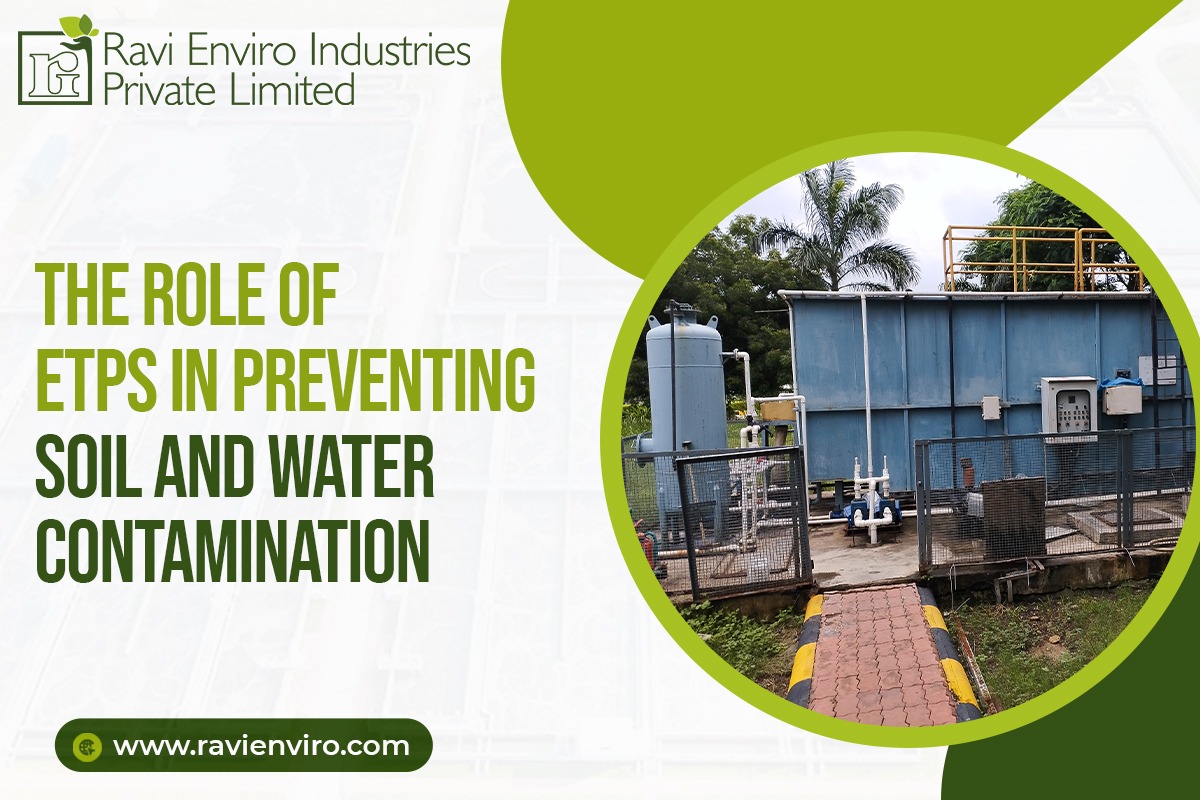
Effluent waste coming from municipal or industrial activities needs to be treated before being discharged into the environment. ETP plants are an industrial wastewater system that is designed by ETP manufacturers in India to treat wastewater generated by industries. These wastewater treatment plants remove harmful substances like heavy metals, oils, suspended solids, organic matter and grease from industrial wastewater.
Also Check: ETP plant manufacturer in Chennai & ETP plant manufacturer in Bharuch
How ETP Plants Prevent Soil and Water Contaminants
Granular activated carbon (GAC) filters trap organic pollutants through their excellent adsorption capabilities. Along with organic pollutants, GAC also adsorbs pesticides, pharmaceutical residues, EDC (Ethylene Dichloride) and other chemical contaminants.
Primary Treatment: At the initial stage of effluent water treatment, the ETP plants remove larger particles and settle able substances, minimizing the contaminant loads.
Secondary Treatment: This step involves biological processes that break down and remove organic matter from wastewater.
Tertiary Treatment: This is the last stage of the ETP plants, where advanced methodologies such as membrane filtration, chemical treatment, advanced oxidation and disinfection are used to eliminate persistent organic compounds, pathogens and heavy metals.
Sludge Treatment: The sludge generated needs to be disposed of properly to prevent soil contamination. Techniques like sludge watering, digestion and stabilization to comply with environmental norms.
Also Know: Effluent Treatment Plant for Textile Industry
Effluent waste needs to be properly treated before being disposed of into the environment. ETP plants effectively reduce the concentrations of impurities and pollutants in wastewater to meet stringent regulations, minimizing the impact on water bodies, soil, aquatic life and the ecosystem as a whole. Ravi Enviro Industries Pvt. Ltd is a leading water treatment company in India, pioneering in designing and manufacturing ETP systems for industries, government and environmental agencies. We can help you with the right ETP plants tailored for your specific needs, fostering a cleaner, greener and healthier planet. Check our comprehensive turnkey projects and how they can make a difference to your business.